July 10, 20268 min read
Solar Energy
Why Solar Energy is the Smartest Investment for Nigerian Homes in 2026
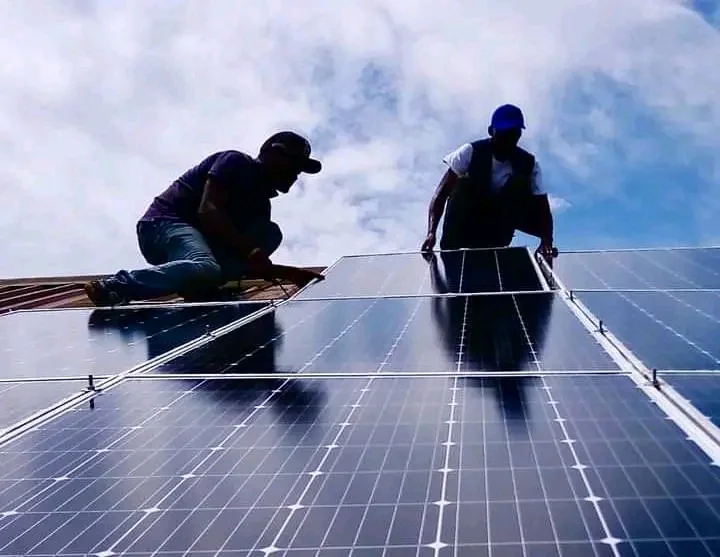
Nigeria's power sector has faced decades of challenges — from inconsistent grid supply to rising diesel costs for generators. For the average homeowner in Benin City, Lagos, or Abuja, the monthly cost of running a generator can exceed ₦80,000. Solar energy offers a proven, sustainable alternative that pays for itself within 3–5 years.
The Economics of Solar in Nigeria
A typical 5kVA hybrid solar system — complete with 8 panels, a 5kW inverter, and a 10kWh lithium battery — costs between ₦2.5 million and ₦4 million depending on component quality. While this may seem substantial upfront, consider the math:
- Monthly generator fuel cost: ₦60,000–₦100,000
- Annual generator maintenance: ₦150,000–₦300,000
- Grid electricity bills (when available): ₦20,000–₦50,000/month
- Total annual power cost: ₦1.1M–₦1.8M
With a solar system, after the initial investment, your ongoing cost drops to near zero. Panels last 25+ years, inverters 10+ years, and lithium batteries 8–15 years depending on usage. Over a decade, a solar installation can save you ₦10–15 million.
Key Components of a Residential Solar System
Solar Panels (PV Modules): Convert sunlight into DC electricity. Monocrystalline panels offer the highest efficiency (18–22%) and are ideal for Nigeria's sunny climate. A typical home needs 6–12 panels depending on energy demand.
Inverter: Converts DC power from panels and batteries into AC power for your appliances. Hybrid inverters are recommended as they combine solar charging, battery management, and grid backup in one unit.
Battery Bank: Stores excess solar energy for use at night or during cloudy days. Lithium iron phosphate (LiFePO4) batteries are now the gold standard — safer, longer-lasting, and more efficient than lead-acid alternatives.
Charge Controller: Regulates voltage and current from panels to batteries, preventing overcharging and extending battery life. MPPT controllers are 30% more efficient than PWM types.
Common Mistakes to Avoid
Many Nigerians have been burned by substandard installations. Here are the top mistakes we see:
- Undersizing the system: A 1kVA inverter cannot power a 2HP AC. Always get a professional load calculation.
- Using fake or refurbished panels: Counterfeit panels flood the market. Only buy from authorized distributors with warranties.
- Poor installation: Loose mounting, wrong tilt angles, and bad wiring reduce efficiency by up to 40%.
- Neglecting maintenance: Dust on panels can reduce output by 25%. Clean them every 2–3 months.
Why Choose AJ Renewable Energy?
As a PNI Institute-certified company, we don't just install panels — we design complete energy solutions. Our process includes detailed site assessment, load analysis, 3D shading simulation, and post-installation monitoring. Every system we install comes with a 1–5 year warranty and 24/7 technical support.
Ready to make the switch? Contact us today for a free site assessment and quote.
July 5, 20266 min read
Security Systems
CCTV & Security Systems: Protecting What Matters Most
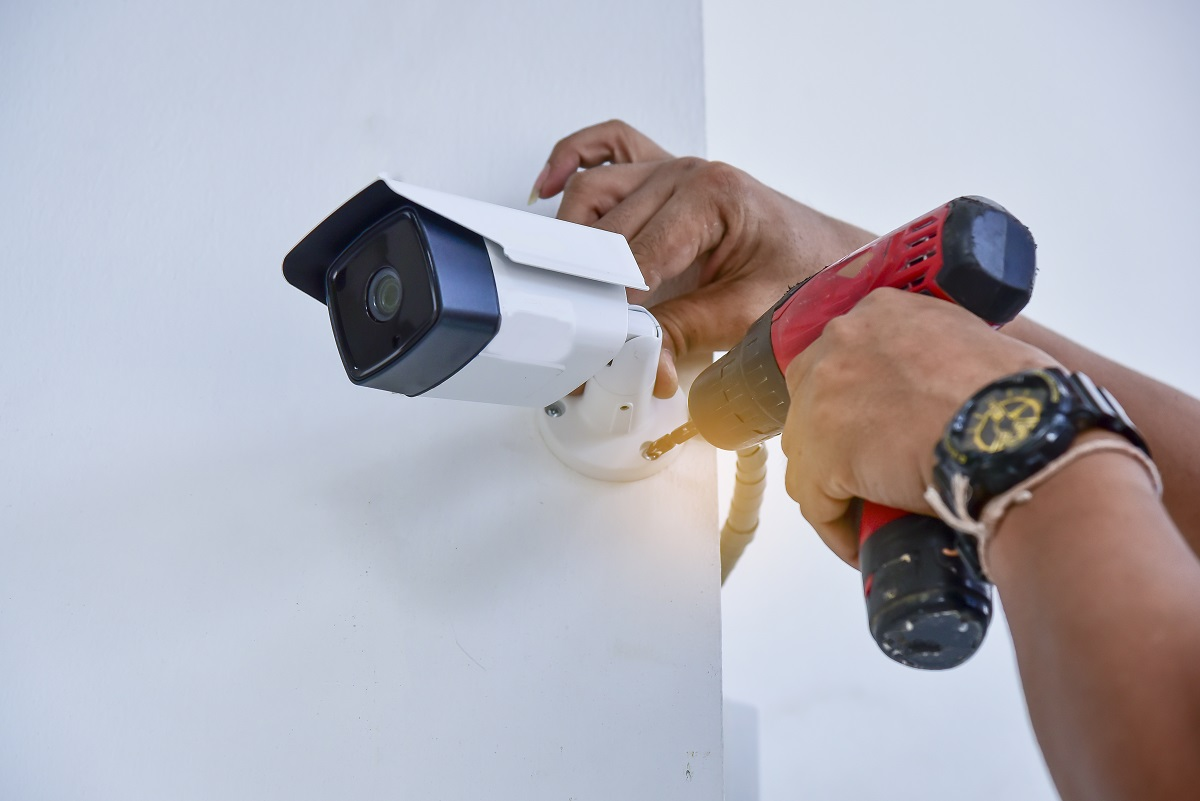
Security is no longer a luxury — it's a fundamental need for every Nigerian home and business. With rising concerns about burglary, vandalism, and unauthorized access, a professionally installed CCTV system serves as both a deterrent and a critical evidence-gathering tool. But not all surveillance systems are created equal.
Types of CCTV Cameras Explained
Dome Cameras: Ideal for indoor use in offices, retail stores, and homes. Their vandal-resistant casing and 360° coverage make them perfect for ceiling mounting in high-traffic areas.
Bullet Cameras: Designed for outdoor perimeter security. Their weatherproof housing and long-range lenses (up to 100 meters) make them perfect for monitoring gates, fences, and parking areas.
PTZ Cameras: Pan-Tilt-Zoom cameras offer remote directional control and optical zoom (up to 40x). Essential for large estates, warehouses, and industrial facilities where active monitoring is required.
IP vs. Analog: IP (Internet Protocol) cameras transmit digital video over network cables, offering 4K resolution, remote access, and AI-powered analytics. Analog systems are cheaper but limited to 1080p and lack smart features.
The DIY Trap: Why Professional Installation Matters
We frequently receive calls from clients who bought "plug-and-play" camera kits online, only to discover blurry footage, dead zones, and systems that fail during power outages. Professional installation ensures:
- Optimal camera placement: Eliminating blind spots and ensuring facial recognition quality.
- Proper cable management: Using quality CAT6 cables for IP systems or RG59 for analog, with proper shielding against interference.
- Power backup integration: Connecting cameras to your solar inverter or UPS so surveillance continues 24/7.
- Network security: Configuring firewalls and encrypted passwords to prevent hacking — a growing threat with IoT devices.
Solar-Powered CCTV: Security Off the Grid
For remote locations without grid access, solar-powered CCTV systems are a game-changer. These self-contained units include a solar panel, rechargeable battery, 4G connectivity, and motion detection. They send real-time alerts to your phone and store footage on cloud servers. Perfect for farms, construction sites, and perimeter monitoring.
Our CCTV Installation Process
At AJ Renewable Energy, we follow a structured approach: (1) Site survey and threat assessment, (2) Custom system design with camera layout maps, (3) Professional installation with concealed wiring, (4) NVR/DVR configuration and mobile app setup, (5) Staff training and documentation. We also offer annual maintenance contracts to keep your system running flawlessly.
Don't leave your security to chance. Get a free security assessment from our certified technicians.
June 28, 20267 min read
Electrical Safety
Electrical Wiring Safety: Why Certified Installation Saves Lives
Every year in Nigeria, hundreds of lives are lost to electrical fires and electrocution — tragedies that are almost entirely preventable. The common denominator? Substandard electrical installations performed by unqualified technicians. When it comes to electricity, cutting corners doesn't save money. It costs lives.
The Hidden Dangers of Poor Wiring
Faulty electrical work often hides behind walls and ceilings, silently creating hazards for years before disaster strikes. Here are the most common dangers:
- Overloaded circuits: Using undersized cables (e.g., 1.5mm² for a 3kW water heater) causes overheating and insulation breakdown.
- Loose connections: A single loose terminal can create arcing temperatures exceeding 3,000°C — hot enough to ignite wood.
- Improper grounding: Without proper earthing, fault currents have nowhere to go, electrifying metal surfaces and appliances.
- Fake circuit breakers: Counterfeit MCBs and RCCBs that don't trip during overloads are widespread in Nigerian markets.
- Exposed joints: Amateur "tape and hope" connections in junction boxes create fire risks and voltage drops.
What Proper Electrical Installation Looks Like
A professional electrical installation by a PNI-certified technician follows strict standards from conduit laying to final testing:
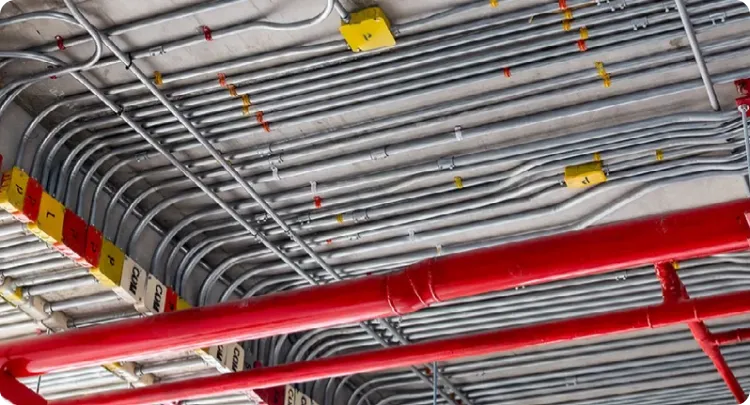
Conduit & Cable Routing: PVC conduits are properly bent (not cracked), secured at 1-meter intervals, and sized correctly for cable fill (max 40% occupancy). Cables are derated for Nigerian ambient temperatures (often exceeding 35°C).
Distribution Board (DB) Design: Each circuit is protected by appropriately rated breakers. Earth leakage protection (30mA RCCB) is mandatory for socket circuits. Neutral and earth bars are properly separated. Cable labels identify every circuit.
Earthing System: A proper earthing system includes copper earth rods (minimum 1.2m depth), earth pits with charcoal and salt for moisture retention, and bonding of all metallic pipes and structural steel. Earth resistance must be below 10 ohms.
Testing & Certification: Before handover, every installation must pass insulation resistance tests (minimum 1 MΩ), polarity verification, earth continuity tests, and load balancing checks. AJ Renewable Energy provides a comprehensive test report for every project.
Warning Signs Your Wiring Needs Attention
If you notice any of the following, call a certified electrician immediately:
- Frequent tripping of circuit breakers
- Burning smell from sockets or switches
- Discolored or warm outlet plates
- Flickering lights (not caused by generator voltage fluctuations)
- Tingling sensation when touching appliances
- Sparks when plugging in devices
The AJ Renewable Energy Difference
Our Managing Director, John Alfred, is a certified member of the PNI Institute, and every technician on our team undergoes rigorous training in NEC (National Electrical Code) and IEC standards. We don't just wire buildings — we engineer electrical systems that are safe, efficient, and built to last.
Whether you're building a new home, renovating an old one, or suspect your current wiring is unsafe, book a professional electrical inspection with us today. Your family's safety is worth it.
June 20, 20269 min read
Inverter Technology
Understanding Inverters & Battery Systems: The Heart of Your Solar Setup
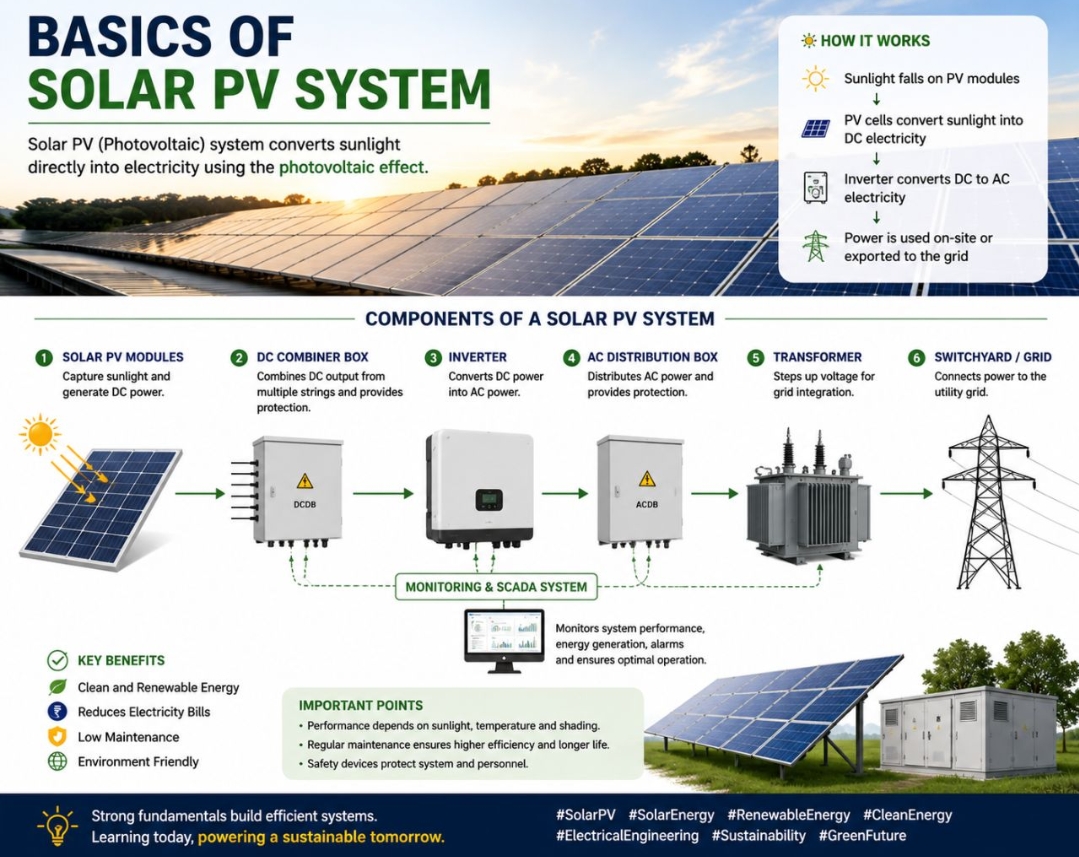
Solar panels may get all the attention, but your inverter and battery bank are the unsung heroes of your renewable energy system. Get these wrong, and even the best panels in the world won't deliver reliable power. This guide breaks down everything you need to know to make informed decisions.
Types of Solar Inverters
String Inverters: The most common and cost-effective option. All panels are connected in series (strings) to a central inverter. Best for installations without shading issues. Leading brands include Growatt, Deye, and SRNE.
Microinverters: Each panel has its own small inverter. More expensive but offer panel-level optimization — ideal for roofs with partial shading or complex orientations. Enphase is the market leader.
Hybrid Inverters: The best choice for Nigerian homes. These manage solar charging, battery storage, and grid/generator input simultaneously. During the day, solar powers your home and charges batteries. At night, batteries take over. If batteries run low, the inverter automatically switches to grid or generator.
Off-Grid Inverters: Designed for locations without grid access. They require larger battery banks and often include generator auto-start functionality. Essential for rural homes and farms.
Battery Technology: Lead-Acid vs. Lithium
The battery market has evolved dramatically. Here's how the two main technologies compare:
| Feature |
Lead-Acid (Tubular) |
Lithium (LiFePO4) |
| Lifespan |
3–5 years |
8–15 years |
| Depth of Discharge |
50% (use only half capacity) |
80–95% (use almost full capacity) |
| Efficiency |
80–85% |
95–98% |
| Weight (per kWh) |
25–35 kg |
10–15 kg |
| Maintenance |
Regular watering, cleaning |
Zero maintenance |
| Cost per kWh (lifecycle) |
Higher (replace 3x) |
Lower (lasts 2–3x longer) |
Sizing Your Battery Bank
Getting battery sizing right is critical. Too small, and you'll run out of power at night. Too large, and you've wasted money. Here's a simple calculation:
Step 1: List all appliances you need at night (lights, fans, TV, fridge, etc.) and their wattage.
Step 2: Multiply each by hours of use. A 50W fan running 8 hours = 400Wh.
Step 3: Sum all values. Let's say your nightly need is 3,000Wh (3kWh).
Step 4: Account for depth of discharge. For lithium (80% DoD): 3,000 ÷ 0.80 = 3.75kWh minimum.
Step 5: Add 20% buffer for cloudy days: 3.75 × 1.2 = 4.5kWh battery bank.
Battery Maintenance Tips
Even "maintenance-free" lithium batteries benefit from proper care:
- Temperature control: Keep batteries in a cool, ventilated room. Above 40°C reduces lifespan by 50%.
- Avoid deep discharge: Never drain lithium below 10% or lead-acid below 50%.
- Regular inspection: Check terminals for corrosion monthly. Clean with baking soda solution if needed.
- Balance charging: For lithium battery banks, ensure the Battery Management System (BMS) is functioning to keep cells balanced.
- Professional reconditioning: If your battery capacity drops below 70%, AJ Renewable Energy's reconditioning service can often restore 90%+ capacity at a fraction of replacement cost.
When to Upgrade Your System
Consider upgrading if: your inverter is over 8 years old, your battery runtime has dropped significantly, you're adding new high-wattage appliances (like AC or pumping machine), or your current system lacks monitoring capabilities. Modern hybrid inverters offer smartphone apps that let you monitor production, consumption, and battery status in real time.
Trust the Experts
At AJ Renewable Energy Inc., we've installed and maintained over 500 inverter and battery systems across Nigeria. We work with trusted brands like SRNE, Deye, Growatt, LIVOLTEK, and HANCHU ESS, and we back every installation with warranties and 24/7 support.
Not sure what inverter or battery setup is right for you? Book a free consultation and let our engineers design the perfect system for your needs and budget.
 AJ Renewable Energy Inc.